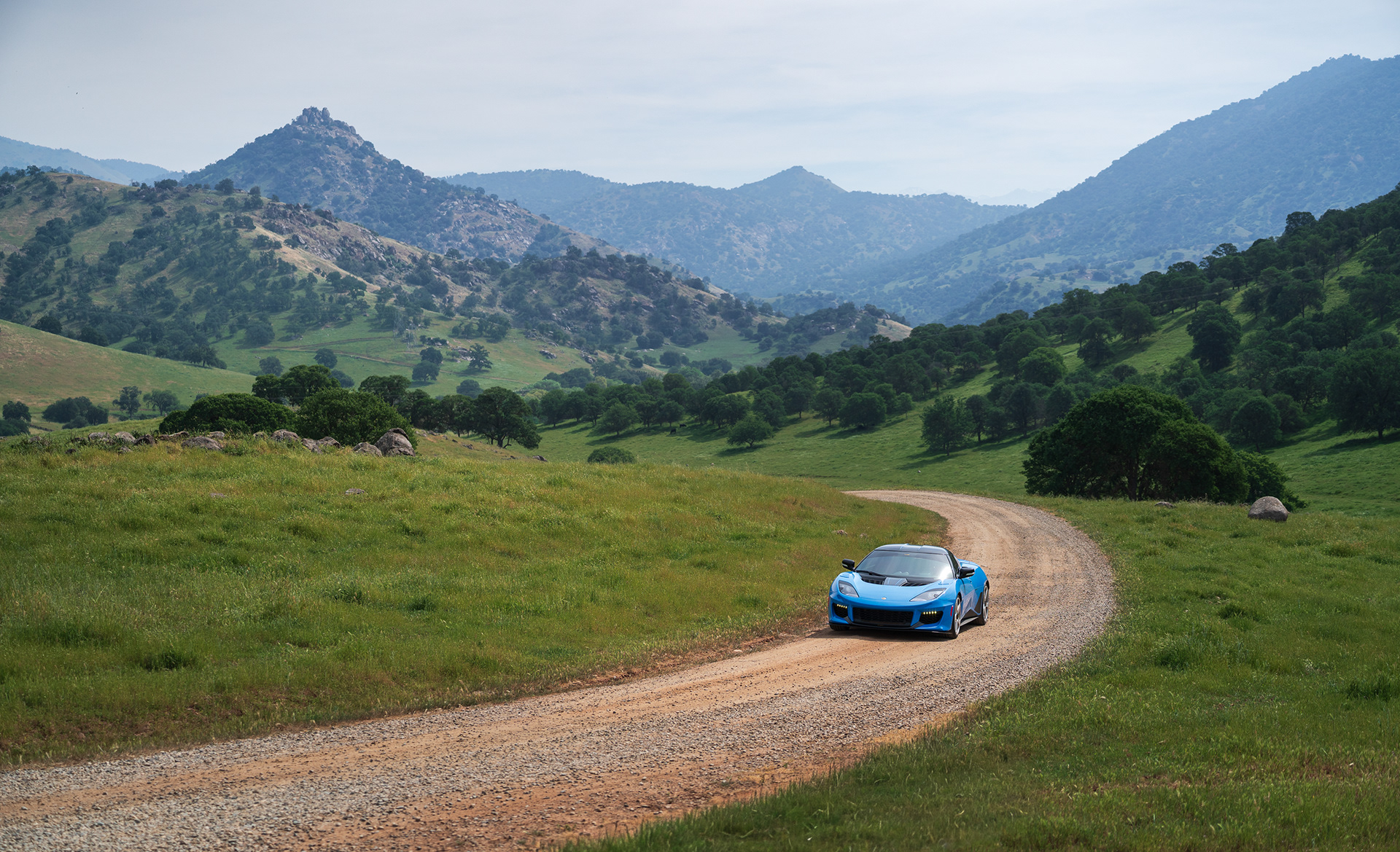
Lotus Evora — A Study in Discipline and Reward
Chassis & Dynamics
The Evora's aluminum chassis is a masterclass in engineering compromise, stiff enough to inspire confidence through high-speed direction changes, yet supple enough to digest rough pavement without rattling your fillings. Lateral grip on the Continental ECS02 tires is abundant, and the car tracks with a stability that belies its relatively modest curb weight.
Push harder, however, and the Evora begins to reveal its boundaries. Through a particularly demanding sequence, a rapid left-to-right transition over undulating tarmac, the chassis showed a flash of nervousness, the weight transfer momentarily outpacing the suspension's ability to keep everything in check. It was brief, it was singular, and it was a pointed reminder: this is a car that demands your full attention. Respect the balance, and the Evora is devastatingly sharp. Disrespect it, and you'll know immediately.
Steering
Here is where the Evora makes its case most eloquently. The hydraulically assisted rack delivers the kind of tactile, unfiltered feedback that has all but vanished from the modern sports car landscape. The weighting is substantial, almost old-school in its heft, and the ratio is quick enough to demand deliberate, precise inputs.
This is not a car that flatters sloppy hands. Fast sweepers, in particular, require commitment and smoothness; the Evora wants you to set your line early, breathe the wheel in, and trust. There is, however, a subtle mismatch worth noting, the razor-edged steering character occasionally outpaces the grip threshold of the Continental ECS02 compound. A move to a stickier tire could bring the two into closer harmony. That's a test worth conducting.
Engine & Transmission
Start the engine and the Evora announces itself with an exhaust note that borders on theatrical. The naturally aspirated soundtrack is intoxicating, a rich, layered tone that crescendos through the mid-range and delivers a visceral bark on every downshift. It is, admittedly, the kind of aural drama that can fatigue over a long day's drive, and the exhaust valve button earns its place on the center console for exactly that reason.
The power on offer is well-matched to spirited backroad work, though the engine's character demands understanding. This is not a unit that rewards laziness in gear selection. Let the revs sag below the mid-range and the car feels distant, even disinterested. Keep it spinning, working the upper third of the tachometer, and the Evora comes alive, each gear change unlocking a fresh wave of urgency.
The automated manual transmission is a study in context. Under load, downshifting into a braking zone, upshifting at full cry, it snaps off changes with admirable precision. At lower speeds or lighter throttle inputs, there is a perceptible hesitation, a mechanical deliberateness that reminds you of the gearbox's roots. In automatic mode, the low-speed calibration can feel clumsy, though never so intrusive as to demand manual intervention at all times.
First gear is notably short, which fundamentally shapes the driving approach in technical sections. Where a longer-geared car might invite you to drop to first and power aggressively through tight corners, the Evora's gearing encourages a different strategy entirely: carry second gear, preserve momentum, and let the chassis do the work. It is a philosophy that rewards discipline over aggression, and when executed well, it is deeply satisfying.
Brakes
The braking system complements the car's momentum-centric character beautifully. Initial bite is progressive and natural, easy to modulate, free of the grabby on-off behavior that plagues so many performance-oriented setups. Under harder application, the stopping power is genuinely impressive, with considerable reserve capacity still in hand. The message is clear: the Evora would rather you carry speed than scrub it off. The brakes are there when you need them. The car simply prefers that you don't.
Verdict
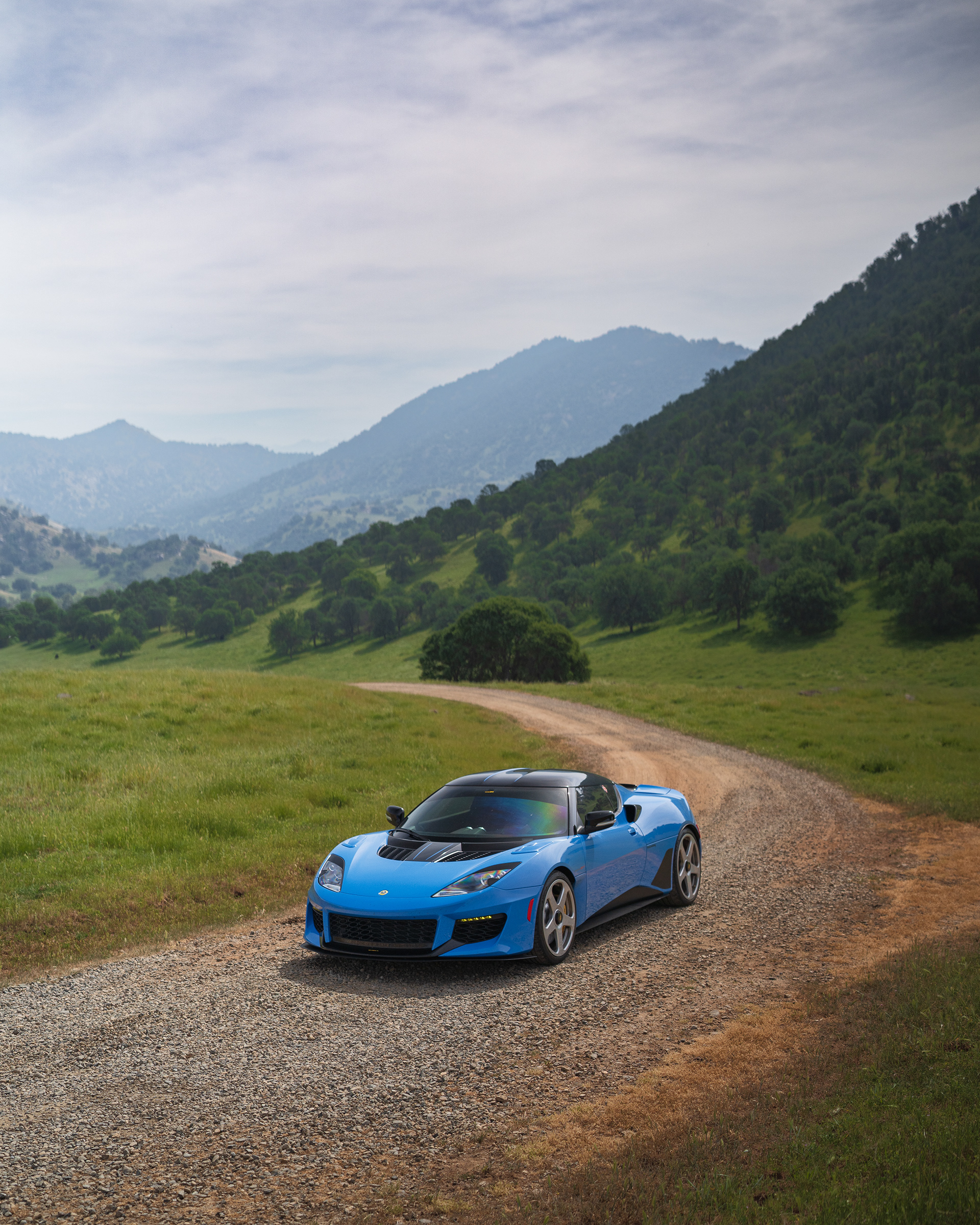
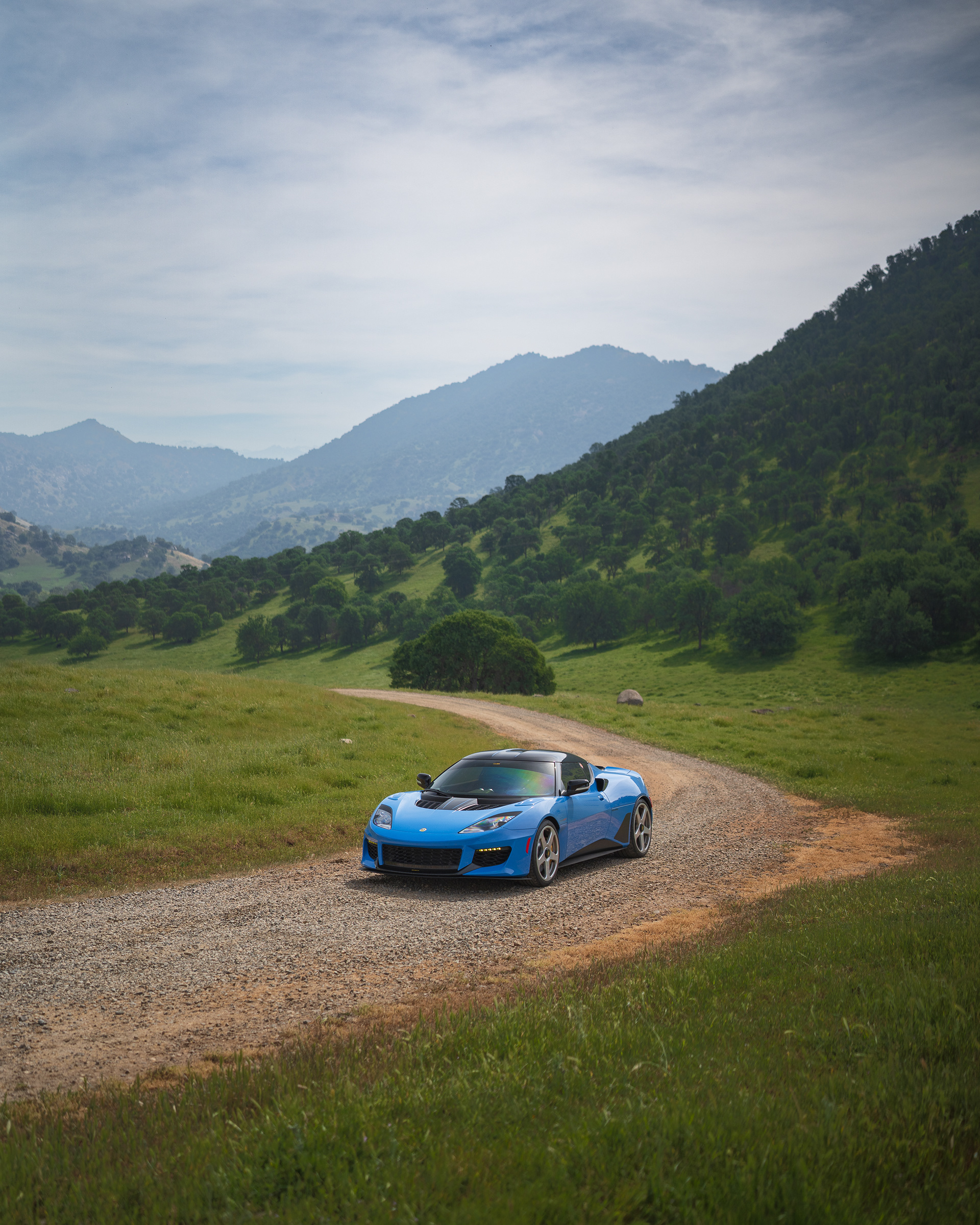
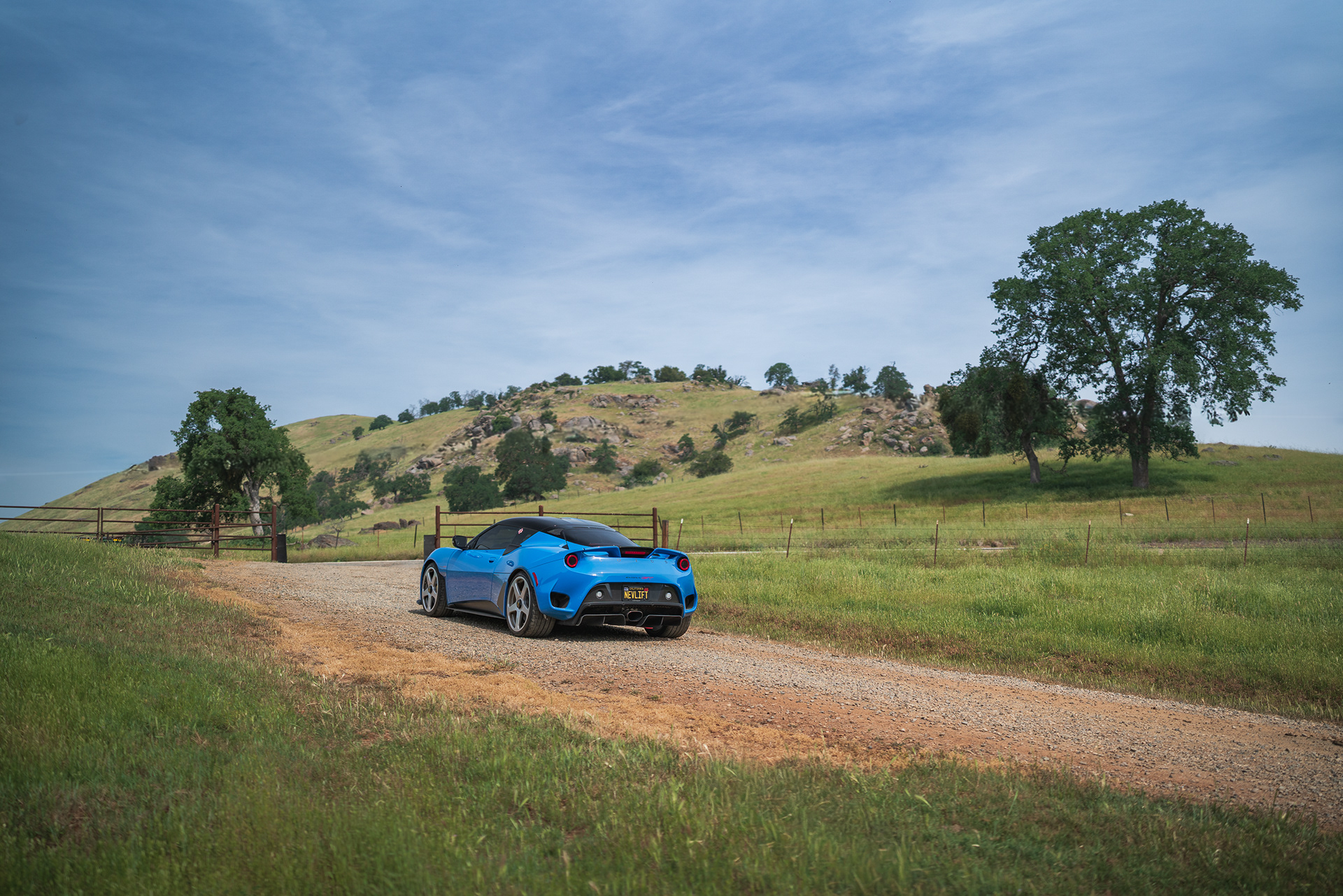
The Lotus Evora is not a car for everyone, and it has no interest in pretending otherwise. It is visually arresting, low, purposeful, and possessed of a road presence that far exceeds its production numbers. But beauty alone does not define this machine.
The Evora belongs to a vanishing breed: the honest, analog sports car that asks something of its driver in return for what it gives. There is an edge here, a latent sharpness that separates it from the sanitized, electronics-laden grand tourers that dominate today's market. Get it wrong and the car will tell you, firmly, unambiguously. Get it right. find the rhythm, trust the chassis, carry your momentum, and the Evora delivers something increasingly rare in the modern automotive landscape.
A genuine connection between car and driver. And that, in the end, is what a Lotus has always been about.
- Words by Joel Pascual
- Words by Joel Pascual